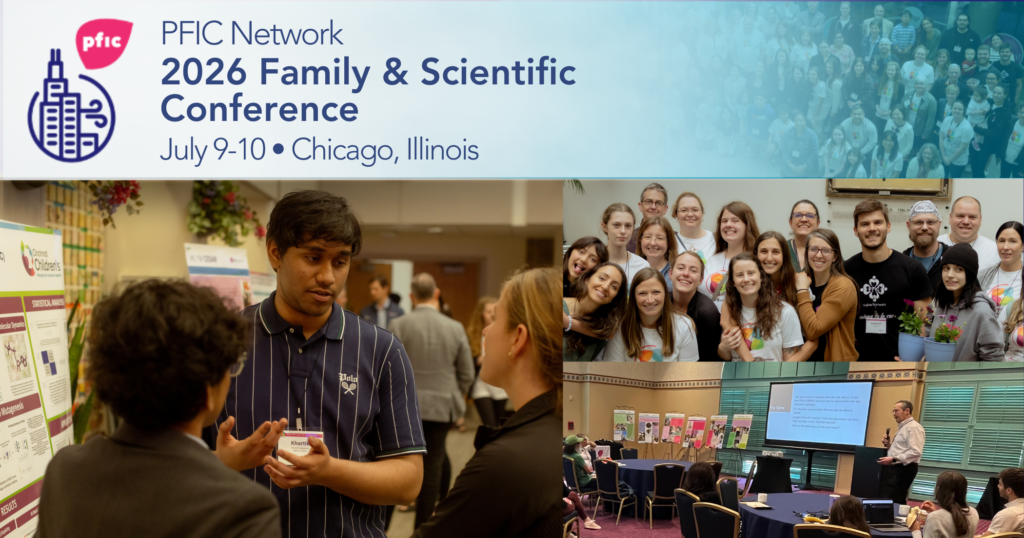
The 2026 PFIC Family & Scientific Conference is here!
July 9-10, 2026 | Chicago, Illinois
This unique gathering connects people living with PFIC with one another and with expert clinicians and researchers committed to the disease to share experiences, exchange knowledge, and identify what matters most. The goal is to support those affected by PFIC today while helping guide future advances in care and research.
We hope you will join us!
This conference is supported by our generous sponsors:
Presenting Sponsor

Presenting Sponsor

Conference Essentials

Registration Now Open!
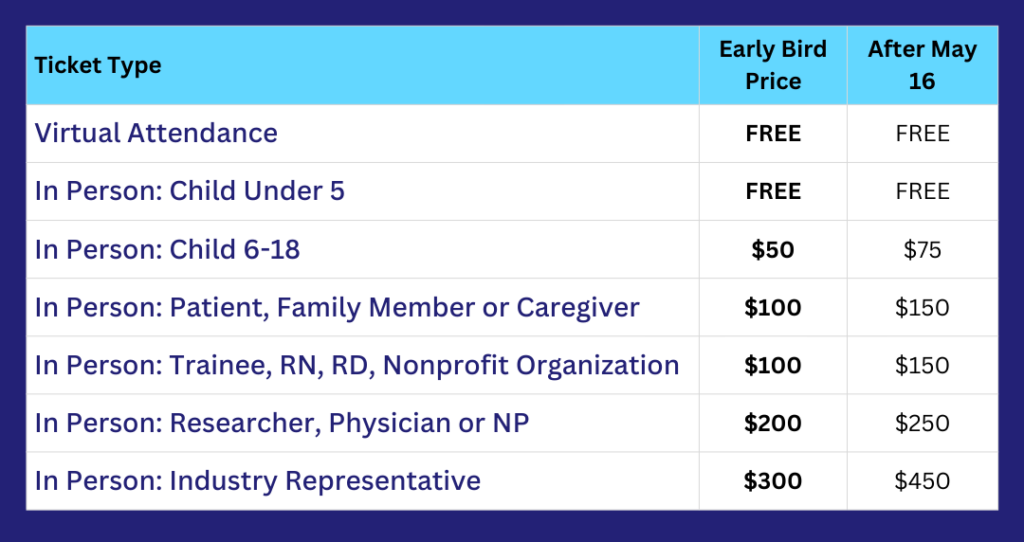
Early bird registration will be open until May 16, 2026. Register by this date to secure your seat and receive a complimentary conference t-shirt. Don’t miss this opportunity to lock in the best rate while helping us plan for an amazing event!
Agenda
Preliminary Conference Agenda & Schedule
*Exact times subject to change
Day 1 (Thursday July 9th)
| 12:00-4:00pm | Closed Internal Board & Committee Meetings (By invitation) -Leadership Luncheon for PFIC Network Board of Directors & Scientific Medical Advisory Board -PFIC Research Consortium Steering Committee Meeting |
| 4:00-5:30pm | Welcome Hour at Conference Hotel (In-person only, no virtual activities) Registration check in & community networking opportunity |
| 5:30-8:00pm | Fun Community Outing to Navy Pier ((In-person only, no virtual activities) |
Day 2 (Friday July 10th)
| 8:00-9:00am | Breakfast |
| 9:00-9:15am | Opening Remarks: Emily Ventura, RN, BSN — PFIC Network Executive Director & Co-Founder |
| 9:15-9:40am | Keynote Address: Ron Sokol, MD — PFIC Network Science & Medical Advisory Board Chair |
| 9:40-9:50am | Patient Story |
| 9:50-11:25am | Managing PFIC Today (Talks + moderated panel) Moderator: Emily Perito, MD, MA -Paula Hertel, MD- Diagnosing PFIC -Alyssa Kriegermeyer, MD-Monitoring, prevention, and managing disease progression across subtypes -Lee Bass, MD – Treatment approaches including nutritional support |
| 11:25-11:40am | Break |
| 11:40-11:50am | Patient Story |
| 11:50am-1:00pm | PFIC Research Advancements (Part 1) – Presentations (10-minute introduction + three 20-minute talks) Moderator: Chunyue Yin, PhD -Silvia Vilarinho, MD, PhD & Richard Thompson, MD, PhD — Advances in diagnosis -Aki Asai, MD, PhD — Ongoing and completed clinical trials -Henkjan Verkade, MD, PhD — Novel therapeutic development and emerging priorities |
| 1:00-2:00pm | Lunch |
| 2:00-2:25pm | PFIC Research Advancements (Part 2) – Panel Discussion -(Moderated Q&A with research speakers from Part 1) |
| 2:25-4:15pm | Consortium Project: Research Experience Roundtables (20-minute presentation + 90-minute facilitated discussion breakouts) -Melissa Kochanowsky — PFIC Network Associate Director of Programs -Gitta Lubke, PhD -Emily Perito, MD, MA -Caitlin Shneider, PhD |
| 4:15-4:30pm | Break |
| 4:30-4:40pm | Patient Story |
| 4:40-5:20pm | Open Topic Tables: Community Knowledge Exchange |
| 5:20-5:30pm | Closing Remarks |
| 7:00pm | Conference Dinner |
Sessions & Speakers
General Speakers
Emily Ventura, RN, BSN,
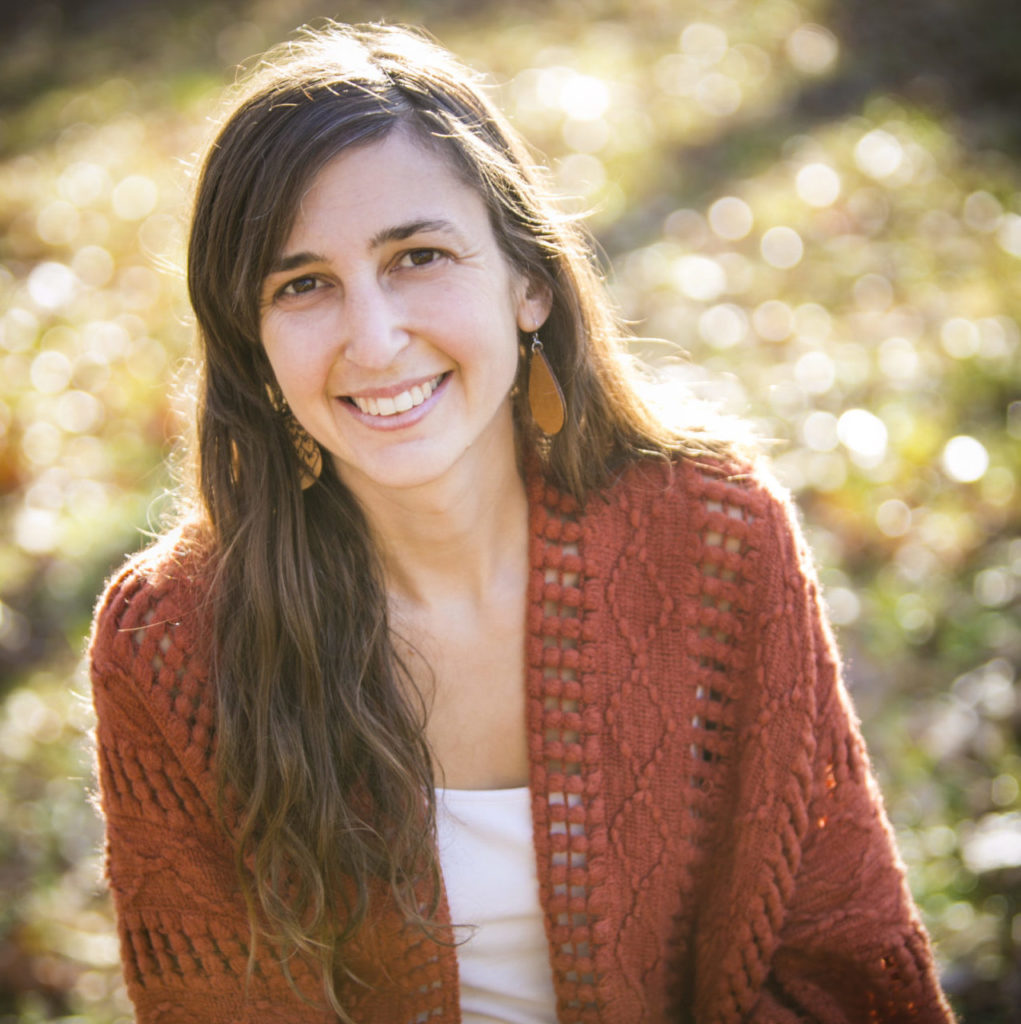
Executive Director & Co-founder
PFIC Network
Click To Read Speaker Bio
Emily Ventura co-founded PFIC Network with 2 other PFIC moms in 2018 and has served as Executive Director since 2021. She combines over a decade of critical care nursing experience with 14 years as a PFIC caregiver and advocate. Under her leadership, PFIC Network was funded in the second grant cycle of the Chan Zuckerberg Initiative’s Rare As One program. PFIC Network’s mission is to improve the lives of patients and families affected by PFIC worldwide.
Ronald J. Sokol, MD, FAASLD

Chief Scientific Officer-Child Health
University of Colorado Anschutz Medical Center
Children’s Hospital Colorado
Associate Dean for Child Health Research
University of Colorado School of Medicine
PFIC Network Medical Advisory Board Chair
Click To Read Speaker Bio
https://som.cuanschutz.edu/Profiles/Faculty/Profile/5796
Ronald J. Sokol, MD, FAASLD, Distinguished Professor of Pediatrics and Chief Scientific Officer – Child Health, received his medical degree from the University of Chicago Pritzker School of Medicine and completed pediatric residency training and Chief Residency at the University of Colorado (CU) School of Medicine. He completed fellowship training in Pediatric Gastroenterology and Nutrition at Cincinnati Children’s Hospital Medical Center and the University of Cincinnati. He has been a faculty member at University of Colorado School of Medicine since 1983.
He was the founding Director of the Pediatric Liver Center at CU School of Medicine and his clinical interests are congenital, genetic and metabolic liver diseases of infants and children. His research includes basic, translational and clinical studies and trials centered on the causes, pathogenesis, natural history, nutrition and treatment of childhood cholestatic liver diseases. He has been Chair of the Steering Committee, Executive Committee and Administrative Core of the multi-site NIDDK/NIH funded Childhood Liver Disease Research Network (ChiLDReN) since its inception in 2002. Currently, he is the Chief Scientific Officer, Child Health at CU Anschutz Medical Center and Children’s Hospital Colorado and Associate Dean for Child Health Research at CU SOM.
He has been the Principal Investigator and Director of the Colorado Clinical and Translational Sciences Institute (funded by NCATs CTSA awards) since 2008 and the Assistant Vice Chancellor for Clinical and Translational Science at CU Denver. He was Section Head of Pediatric Gastroenterology, Hepatology, and Nutrition for 16 years until May 2022.
He is past President of AASLD and NASPGHAN. He has authored over 325 peer-reviewed papers, 130 book chapters, review articles and books and is co-editor of the leading pediatric liver disease textbook, Liver Disease in Children.
Managing PFIC Today
Talks + Moderated Panel Q&A
Session Sponsored by

Paula Hertel, MD
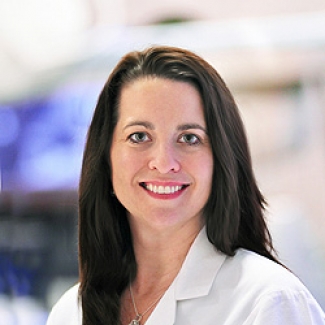
Associate Professor of Pediatrics
Baylor College of Medicine
Staff Physician
Texas Children’s Hospital
Click To Read Speaker Bio
https://www.texaschildrens.org/find-a-provider/paula-marie-hertel-md
Dr. Hertel is a pediatric gastroenterologist and hepatologist at Texas Children’s Hospital and Associate Professor of Pediatrics at Baylor College of Medicine in Houston, Texas. Her career is dedicated to caring for children with liver disease and liver transplant, and to clinical research in pediatric liver disease. She has a particular passion for the care of children with cholestatic liver diseases, including PFIC, and to the study of these complex disorders. She is a member of the PFIC Writing Group for the National Institutes of Health (NIH) “ChiLDReN” liver research network, and helped to lead this group’s effort in a baseline analysis of children diagnosed with PFIC enrolled in the Network. At this time, she is working with the PFIC Writing Group on a follow-up study that will include an analysis of serum specimens to determine if lysophosphatidylcholine (LPC) can serve as an effective biomarker (blood test) for itch in children with PFIC. This work is supported by a PFIC Network Small Research Grant , for which she was a recipient.
Dr. Hertel is also the Texas Children’s Hospital site’s Principal Investigator for the NIH-sponsored NASH Clinical Research Network, which is focused on study of children and adults with MASLD and MASH (fatty liver disease), and is an ongoing contributor to work published by this group. She lives in Houston with her husband, two children, pet dog and parrot, and enjoys reading and travel in her free time. She is extremely grateful to the families and donors of the PFIC Network and thoroughly enjoys the opportunity to participate in the Network’s unique and important collaboration between physicians, researchers, and families.
Alyssa Kriegermeier, MD
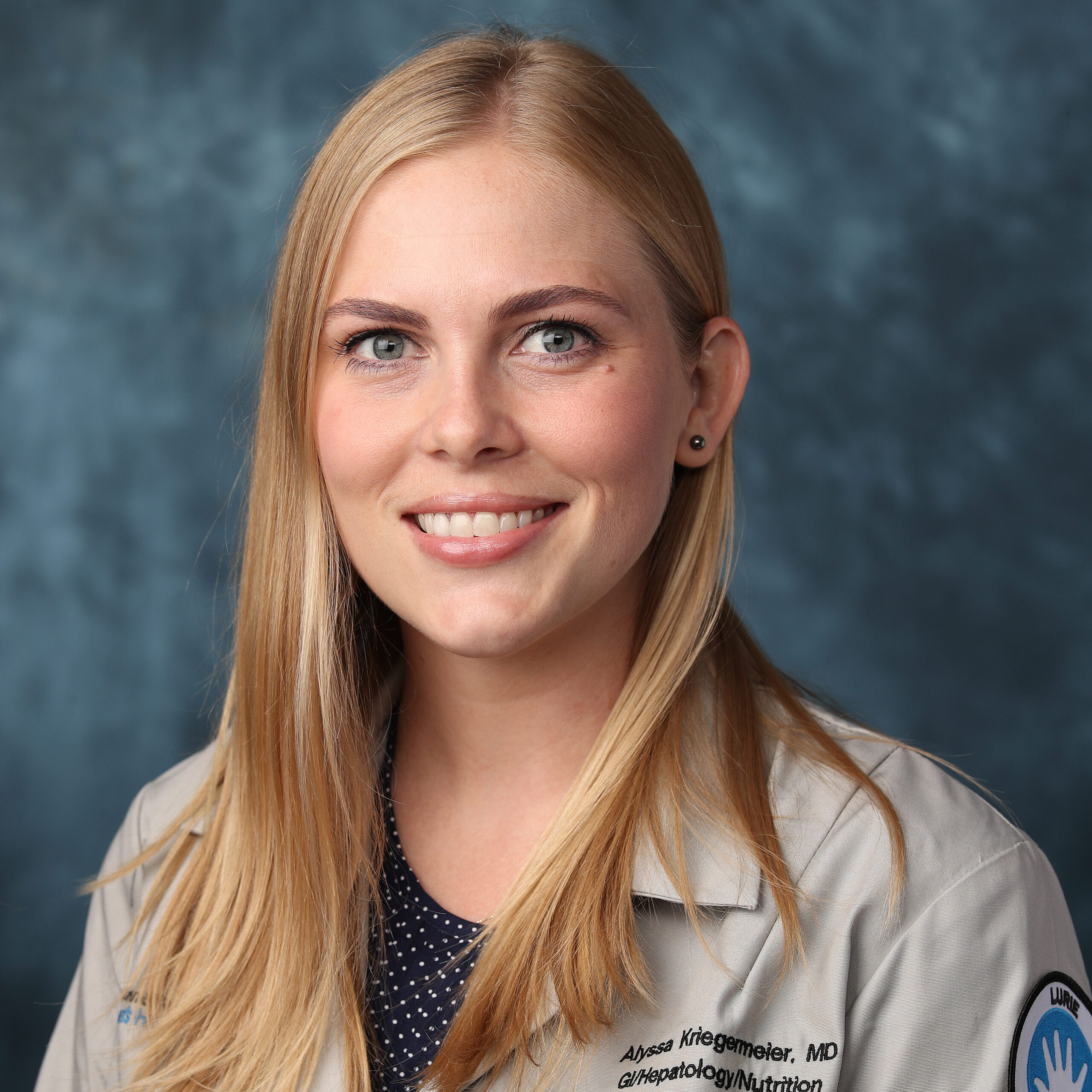
Assistant Professor of Pediatrics
Northwestern University
Attending Physician
Lurie Children’s Hospital of Chicago
Click To Read Speaker Bio
I completed my Pediatric Gastroenterology, Hepatology & Nutrition fellowship as well as my Pediatric Liver Transplant fellowship at the Children’s Hospital of Philadelphia (CHOP). During fellowship, I trained with Dr. Rebecca Wells and colleagues who identified a plant isoflavonoid (biliatresone) responsible for biliary atresia (BA) outbreaks in Australian livestock and were utilizing this isoflavonoid to develop new models of BA. In the Wells lab, I gained experience utilizing 3D cholangiocyte organoids and murine bile duct explants to investigate the mechanisms behind cholangiocyte injury in BA. After fellowship, I accepted a position at Ann & Robert H. Lurie Children’s Hospital (LCH) in Chicago as an attending physician. I continued my research career, working with Dr. Richard Green at Northwestern University (NU), a prominent researcher within the field of the unfolded protein response (UPR) and cholestatic liver disease.
My research time was supported initially via the Pediatric Physician-Scientist Research Award, then through support from the Department of Pediatrics and the Division of Gastroenterology, Hepatology and Nutrition. I was subsequently the recipient of two young investigator awards through NASPGHAN and PSC Partners Seeking A Cure. Most recently, I have been awarded a K08 award through the NIDDK which supports my ongoing 75% protected research time. My current lab work focuses on the evaluation of the unfolded protein response (UPR) within murine models of pediatric cholestatic liver diseases. In my lab, we utilize several models of pediatric cholestatic liver diseases including genetic models of bile transport deficiencies (specifically BSEP and MDR2 mouse models of PFIC), bile acid feeding models, and surgical models of biliary obstruction. We are well versed in using high throughput technologies to investigate the UPR and its effects within models of pediatric cholestasis.
In addition to my lab research, I am also active in several clinical and translational research projects including serving as our site Co-Investigator in the National Institutes of Health (NIH) “ChiLDReN” liver research network, and the PI and Co-PI on two industry funded studies investigating the use of IBAT inhibitors in children with cholestatic liver disease. In my clinical time, I care for children with a wide range of liver diseases, end stage liver failure and liver transplants.
Emily Perito, MD, MA
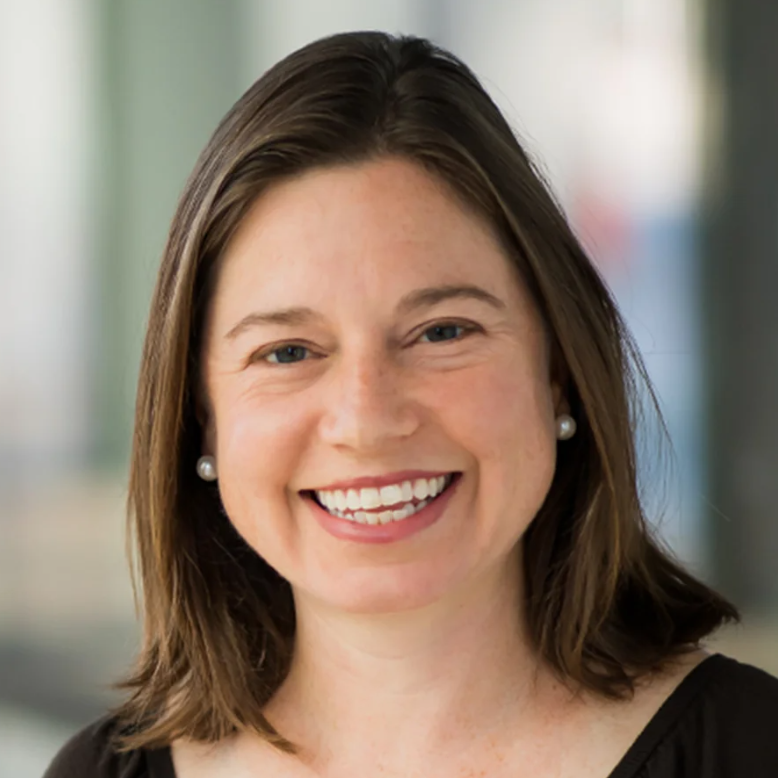
Pediatric Hepatologist
University of California San Francisco
Medical Director
UCSF Pediatric Liver Center
Click To Read Bio
Emily R. Perito is a pediatric hepatologist at University of California San Francisco and medical director of UCSF’s Pediatric Liver Center. Her clinical expertise is in pediatric liver disease and liver transplant. Her research focuses on long-term outcomes after liver transplant and patient-centered outcomes research. As a Co-Chair of the Starzl Network for Excellence in Pediatric Transplantation, a learning health network dedicated to pediatric liver transplant, she helps lead efforts in developing evidence-based best practices for immunosuppression and engagement of adolescents and young adults in transplant research and advocacy.
Lee Bass, MD
Bio coming soon!
PFIC Research Advancements – Part 1 & 2
Talks + Moderated Panel Discussion and Q&A
Henkjan Verkade, MD, PhD

Professor of Pediatrics
Beatrix Children’s Hospital
University Medical Center Groningen
PFIC Network Medical Advisory Board
Click To Read Speaker Bio
e-mail: h.j.verkade@umcg.nl
Website: https://www.rug.nl/staff/h.j.verkade/
Henkjan J. Verkade is a pediatric gastro/hepatologist at the Beatrix Children’s Hospital of the University Medical Center Groningen, The Netherlands. He received his PhD degree in Medicine cum laude at the University of Groningen on the thesis entitled “Lipid absorption and metabolism”. Henkjan Verkade was a post-doctoral fellow at the University of Alberta, Edmonton, Canada. In 2005 Verkade was appointed Professor of Pediatrics, pediatric gastroenterology/hepatology, at the University Medical Center Groningen.
Henkjan Verkade combines clinical work in pediatric gastro/hepatology with clinical and fundamental research projects. Verkade’s current research projects involve intestinal lipid absorption and metabolism, the enterohepatic circulation, and pediatric liver disease (familial cholestatic syndromes, biliary atresia, liver transplantation). In 2017, he initiated with Bettina Hansen the global NAPPED registry (NAtural Course and Prognosis of PFIC and Effect of Biliary Diversion) and in 2022 the prospective global TreatFIC database. The NAPPED registry has been helpful to further characterize the natural history of progressive familiar intrahepatic cholestasis syndromes and to identify prognostic parameters for the course of disease and for responsiveness to treatments. The TreatFIC registry aims to understand the efficacies of the current treatments for patients with PFIC-diseases, and the possible short- and long-term side effects, in relation to the sub-type and the variants of PFIC disease.
Verkade has authored more than 300 peer-reviewed publications and more than 15 book chapters. From 2019-2014, he was associate editor of the Journal of Pediatric Gastroenterology and Nutrition.
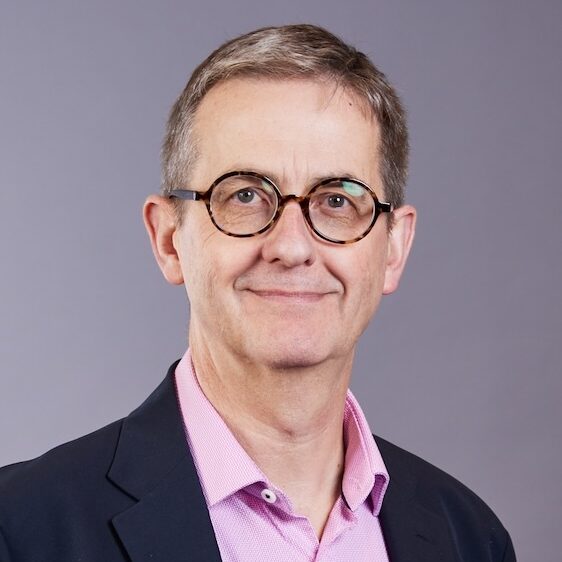
Richard Thompson, MD, PhD
Professor of Molecular Hepatology
Kings College London
Kings College Hospital
PFIC Network Medical Advisory Board
Click To Read Speaker Bio
https://www.kcl.ac.uk/people/richard-thompson
Dr. Thompson specialises in paediatric liver disease. In particular he is interested in genetic disease, both in children and adults. His group have identified several disease genes, and have established important genotype/phenotype correlations. He is also the Clinical Lead for the Liver Molecular Genetics service. Dr. Thompson is also a Professor of Molecular Hepatology at King’s College London and a member of the PFIC Network Medical Advisory Board.
Akihiro Asai, MD, PhD

Associate Professor of Pediatrics
Cincinnati Children’s Hospital & Medical Center
Center for Undiagnosed and Rare Liver Disease
Click To Read Speaker Bio
https://www.cincinnatichildrens.org/research/divisions/g/gastroenterology/labs/asai
Akihiro Asai, MD, PhD, is an Associate Professor of Pediatrics at Cincinnati Children’s Hospital Medical Center, where he leads a research program dedicated to developing life-changing treatments for inherited liver diseases. Dr. Asai’s laboratory utilizes pioneering “liver in a dish” technology, transforming patient-specific stem cells (iPSCs) into functional human liver models to study disease in a controlled environment. This innovative approach has allowed his team to successfully model conditions such as PFIC Type 2 (BSEP deficiency) and PFIC Type 4 (TJP2 deficiency), uncovering the cellular mechanisms that disrupt bile acid transport. His research, published in leading journals like Stem Cell Reports and Journal of Hepatology Reports, serves as a vital foundation for discovering new therapeutic targets for the PFIC community.
As a practicing pediatric transplant hepatologist, Dr. Asai bridges the gap between laboratory discovery and patient care. He is deeply integrated into national research efforts, participating in multiple clinical trials for pediatric liver diseases. Dr. Asai’s career is rooted in a unique dual perspective: he completed his advanced clinical fellowship in transplant hepatology at Cincinnati Children’s before establishing his independent research laboratory within the institution’s world-renowned stem cell biology environment. Today, he remains committed to translating cutting-edge science into meaningful clinical outcomes for children and families facing rare genetic cholestatic disorders.
Silvia Vilarinho, MD, PhD

Associate Professor of Medicine, Genetics and Pathology – Yale School of Medicine
Director – Internal Medicine Physician-Scientist Training Program
Associate Director, Yale MD-PhD Program
PFIC Network Medical Advisory Board
Click To Read Speaker Bio
https://medicine.yale.edu/internal-medicine/digestivediseases/profile/silvia-vilarinho
Silvia Vilarinho is a physician-scientist who uses genetics, genomics and human samples to investigate the molecular basis of various liver diseases of unknown etiology. Using these approaches, we have identified five novel genetic liver diseases. Our research goal is to continue to discover new genes important in liver function both in health and disease and to use cell biology and animal models to determine the specific mechanism(s) linking mutant gene to disease as a roadmap to further understand and treat rare and common liver diseases. This research approach provides new knowledge with direct impact in improving patient care and creates an outstanding scientific environment to train future physician-scientists and trainees with particular interest in human disease. Furthermore, Dr. Vilarinho is very committed to make ‘genomic medicine for liver disease’ a reality in clinical practice worldwide.
Dr. Vilarinho is also a member of the PFIC Network Medical Advisory Board.
Chunyue Yin, PhD

Associate Professor, Division of Gastroenterology, Hepatology & Nutrition
Co-Director, Center for Undiagnosed and Rare Liver Disease
Cincinnati Children’s Hospital Medical Center
Department of Pediatrics
University of Cincinnati College of Medicine
Click To Read Moderator Bio
https://www.cincinnatichildrens.org/research/divisions/g/gastroenterology/labs/yin
Dr. Chunyue Yin obtained her PhD in Developmental Biology at Vanderbilt University and completed her postdoctoral training at the University of California, San Francisco. She started her independent research program at Cincinnati Children’s in 2012, focusing on the etiology of pediatric intrahepatic cholestasis using animal models. She has ongoing collaboration with a team of clinicians, geneticists, and pathologists to investigate how mutations in the known genes cause cholestasis and to identify novel disease-causing genes.
Consortium Project: Research Experience Roundtables
Presentation + Facilitated Discussion
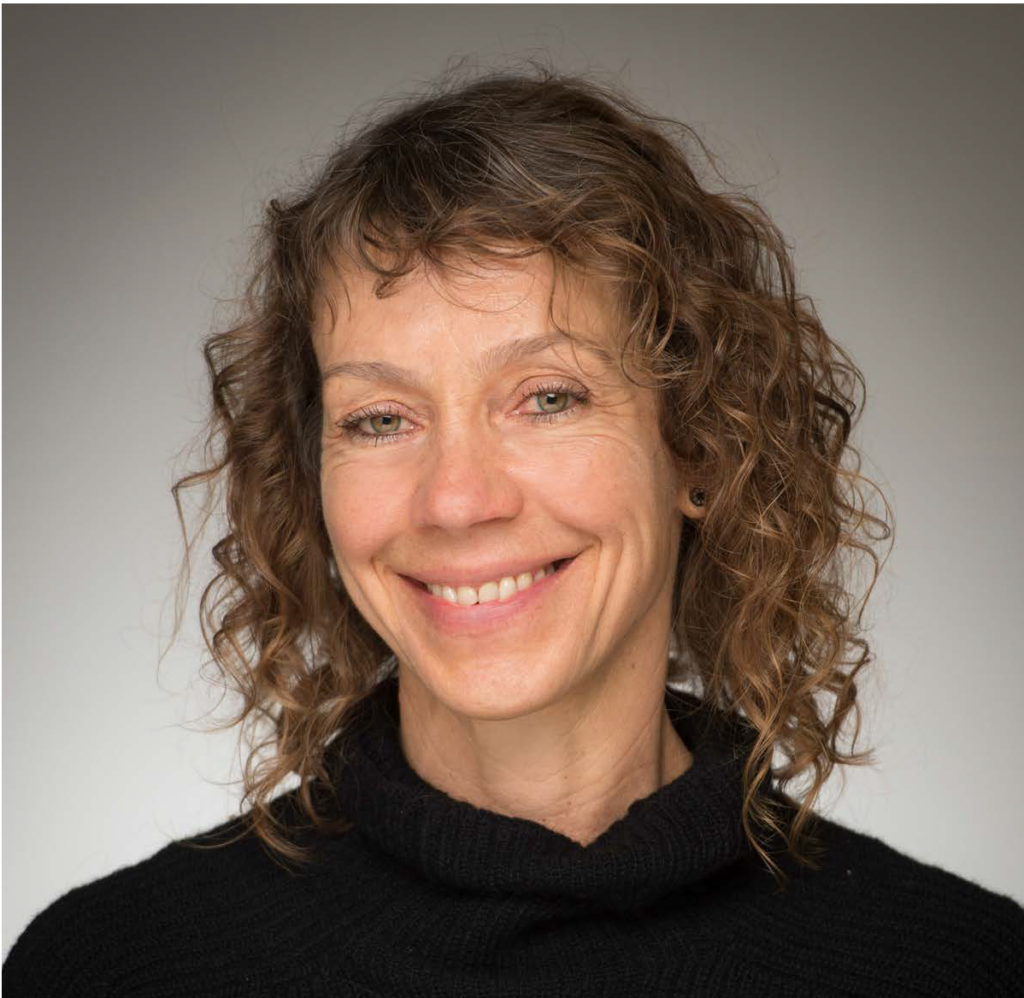
Gitta Lubke, PhD
Professor Emerita–Quantitative Psychology
University of Notre Dame
PFIC Network Science Advisor & Patient Registry Data Manager
Click To Read Bio
Dr. Lubke is a Professor Emerita of Quantitative Psychology at the University of Notre Dame. She currently works with PFIC Network as a Science Advisor to help develop a quality research program, write grant proposals, and maintain a patient registry. She previously co-led IMPACT, a PCORI Eugene Washington Engagement Award initiative (EASO-30455) that helped prepare the PFIC community for patient-centered outcomes research. She is now Co-Lead of PFIC Network’s newest PCORI project, “Building Capacity to Engage in Patient-Centered CER on Progressive Familial Intrahepatic Cholestasis (PFIC),” which runs from January 2026 through December 2027.
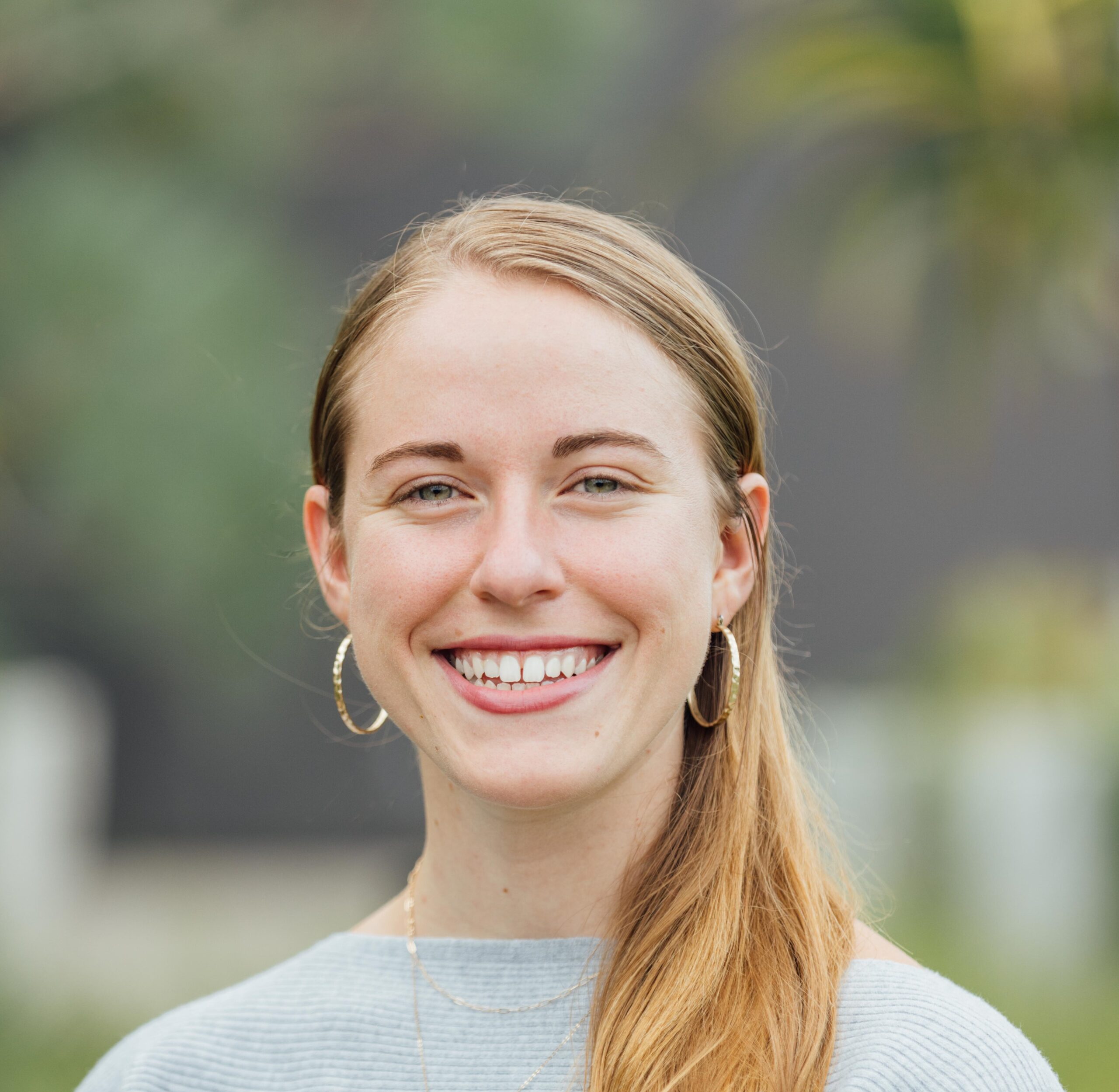
Melissa Kochanowsky, BA
Associate Director of Programs
PFIC Network
Click To Read Bio
Associate Director of Programs, PFIC Network
Melissa Kochanowsky is Associate Director of Programs at PFIC Network, a nonprofit supporting patients and families affected by progressive familial intrahepatic cholestasis (PFIC). She leads programs spanning disease education, advocacy, and research, and serves as Principal Investigator of the PFIC Network Patient Registry. She is Co-Lead of two successive PCORI-funded projects building capacity for patient-centered comparative clinical effectiveness research on PFIC, including the current launch of a multi-stakeholder PFIC research consortium.
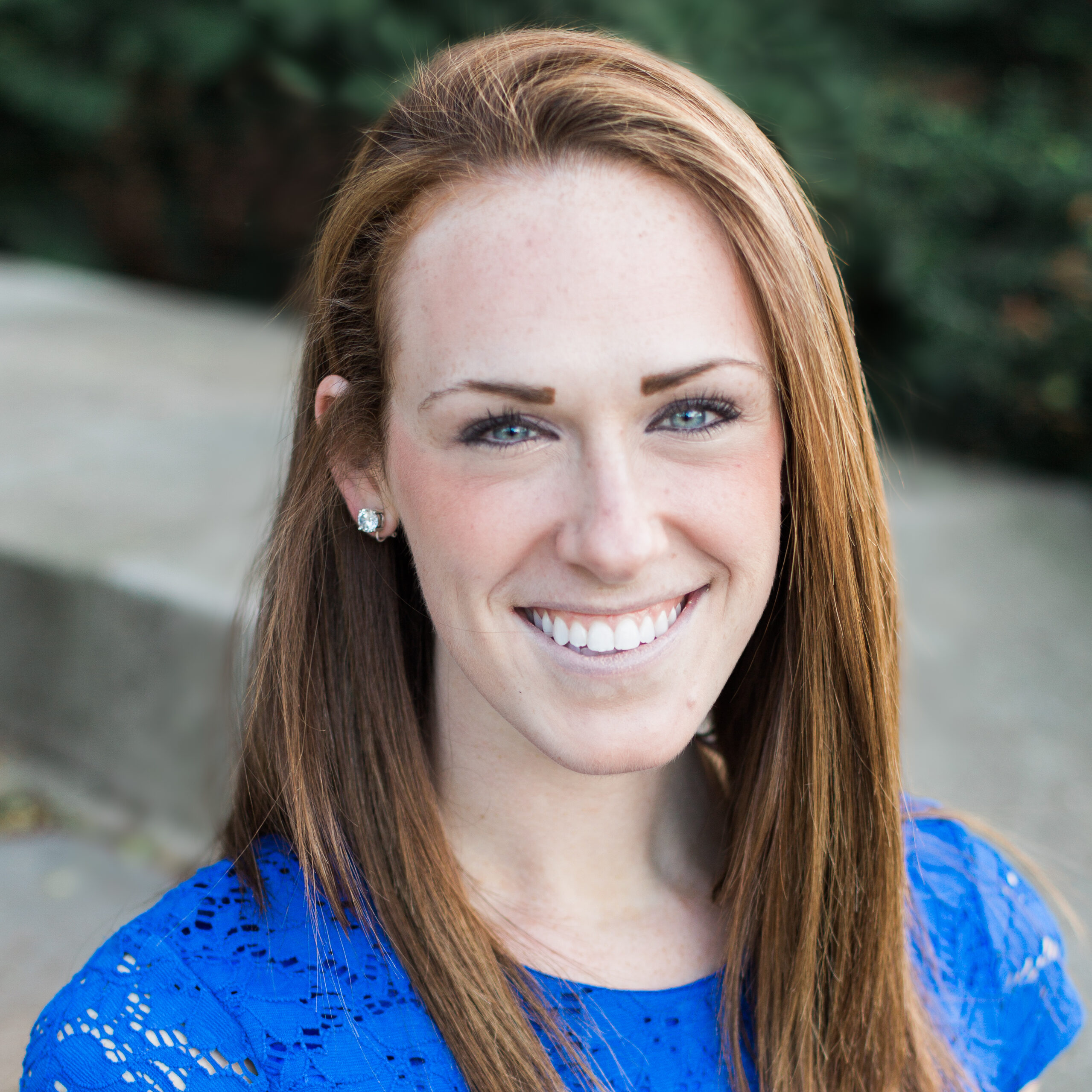
Caitlin Shneider, PhD
Psychology Postdoctoral Fellow
Boston Children’s Hospital
Click To Read Bio
Caitlin Shneider, PhD is a Psychology Postdoctoral Fellow at Boston Children’s Hospital, where she delivers evidence-based care to children with chronic pain syndromes and their families. She earned her PhD and Master’s in Clinical Psychology from Georgia State University and a BA in Biopsychology, Cognition, and Neuroscience from the University of Michigan. Dr. Shneider’s research explores modifiable factors that drive positive outcomes for youth with chronic medical conditions.
She is particularly interested in the biopsychosocial and sociocultural contexts of pediatric pain and itch. Leveraging her background in pediatric pain, she is eager to investigate the psychosocial impact of cholestatic liver disease and to explore whether evidence-based chronic pain interventions might be fruitful for youth with cholestatic itch due to their shared neural pathway. During her graduate training, Dr. Shneider’s research examined the impact of pain catastrophizing and parent response to pain on health-related quality of life in adolescents with sickle cell disease.
Before starting graduate school, she conducted research at Children’s National Hospital in Washington, D.C. with parents of young children newly diagnosed with type 1 diabetes. In addition to pediatric type 1 diabetes, Dr. Shneider conducted research with various other pediatric populations including solid organ transplant, oncology, food allergy, and congenital heart disease.
Venue & Lodging

Scholarships for PFIC Patients and Families:
Travel scholarships are made possible by support from Mirum Pharmaceuticals.
The application period for PFIC Network Travel Scholarships has closed. Applicants will be notified of the status of their application by March 13th and must register for the conference by April 13th. Applicants must be registered for the conference before scholarships will be disbursed.
Missed the scholarship application period? Join the waitlist!
If you are a US resident, the National Organization for Rare Disorders (NORD) offers several scholarships to help cover travel costs that rare disease patients and caregivers may apply for:
Sponsorship Opportunities Available
Interested in supporting the PFIC community? Sponsorship opportunities are available for the 2026 PFIC Family & Scientific Conference. Your support helps make this meaningful event possible and ensures accessibility for families from around the world. Contact us to learn more about sponsorship packages and benefits!